
The internet has been buzzing with discussions on akara-making and other small-scale businesses following comments attributed to Nigeria’s First Lady, Senator Oluremi Tinubu, encouraging citizens to embrace petty trading and entrepreneurship as a means of livelihood amid the country’s economic challenges.
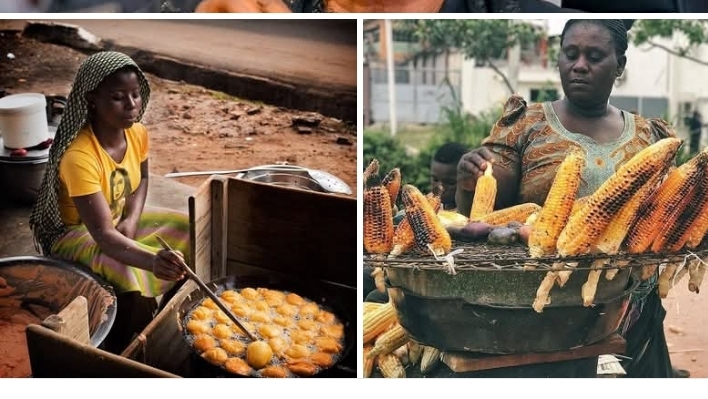
Across Facebook, X (formerly Twitter), TikTok and other social media platforms, thousands of Nigerians have been sharing posts, videos and opinions on how to make and sell akara, a popular bean cake consumed across the country. Many users have posted recipes, startup tips, profit calculations and success stories, while others have expressed concerns over what they describe as the growing hardship facing ordinary citizens.
Several Facebook groups and content creators have joined the trend by producing tutorials on akara production, packaging and marketing. Some posts highlighted how individuals can start the business with minimal capital, while others argued that citizens deserve more sustainable economic opportunities beyond subsistence trading.
The discussions gained momentum after the First Lady’s remarks were interpreted by many Nigerians as an endorsement of small-scale street businesses as a way of coping with the nation’s rising cost of living. The comments sparked mixed reactions, with supporters describing entrepreneurship as a practical solution in difficult times, while critics questioned whether encouraging akara-making and street vending should be part of a broader national economic strategy.
On Facebook, users have been calculating potential daily profits from selling akara, with some suggesting that a dedicated vendor could earn a reasonable income. Others, however, pointed to the increasing costs of beans, cooking oil, pepper and transportation, arguing that even small businesses are being affected by inflation.
Economic analysts note that the widespread attention being given to akara-making reflects the realities confronting many Nigerians. With unemployment, underemployment and soaring food prices putting pressure on households, more citizens are exploring informal-sector opportunities to supplement their incomes.
As the debate continues online, akara has become more than just a popular breakfast snack; it has emerged as a symbol of the larger national conversation about economic survival, job creation and the search for practical solutions to Nigeria’s current economic challenges.
Whether viewed as a sign of resilience or a reflection of hardship, the social media frenzy surrounding akara-making has once again underscored the growing concern among Nigerians about livelihoods and the future of the economy.
Akara-Making Discussions Flood Social Media Following First Lady’s Advice
Support Our Mission
Help us empower women and protect vulnerable children across communities. Your support creates real change and lasting impact.



Leave a Reply